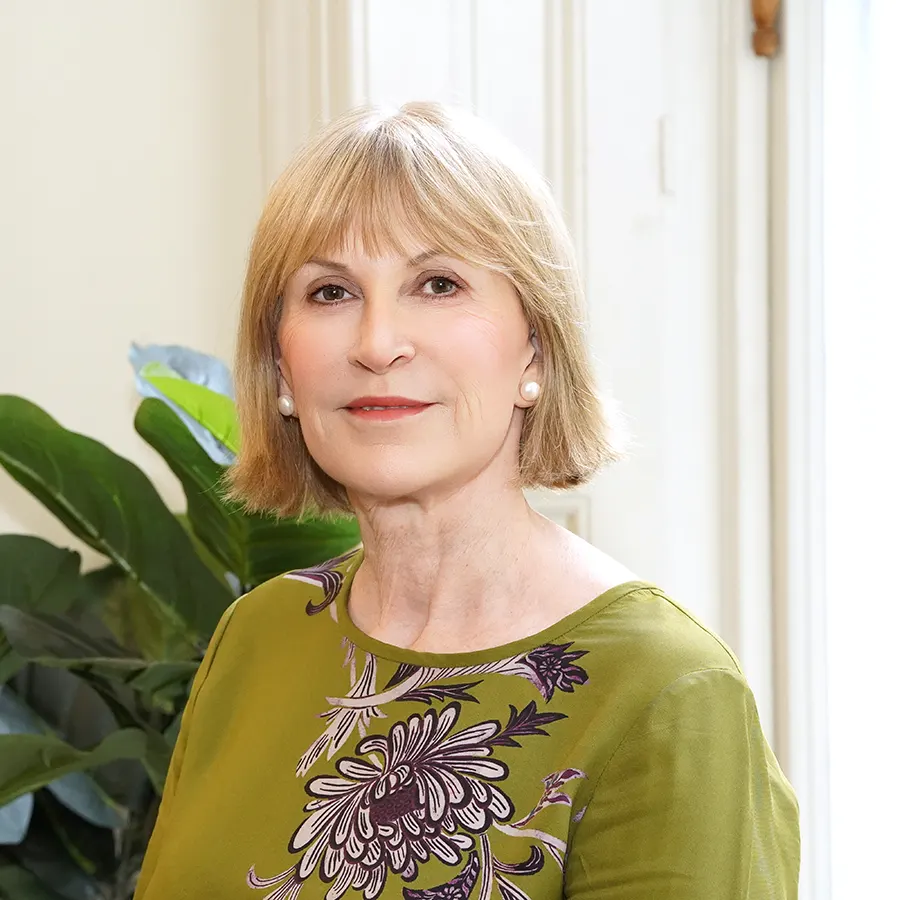

Hi, I’m Dr Jill Harling. I’m one of the GPs at Courtfield Private Practice. My specialty interest is in the treatment of the menopause. Today I wanted to talk to you about localised vaginal oestrogen treatment.
The Benefits of Vaginal Oestrogen
It is incredibly safe, and there are hardly any contraindications to using it. In fact, if I had my way, I think I would have all my lady patients on it!
Its main use is in the treatment of atrophy symptoms, which unfortunately are very common after the menopause, when the delicate tissues of the genital tract get thinner and drier. In fact, this condition is often referred to as the Genitourinary Syndrome of Menopause (GSM). Atrophy happens when our oestrogen levels drop at the menopause, and symptoms include itching, dryness, soreness, chafing, and painful sex – all terribly miserable things.
One of the biggest issues with atrophy is recurrent urinary tract infections (UTIs). You are much more likely to get a UTI if your vaginal area, which sits next to your bladder, gets atrophied from lack of oestrogen. UTIs are very common in elderly women, and can become severe, sometimes leading to sepsis, and even death.
Countless studies have shown that vaginal oestrogen treatment is incredibly good at both preventing and treating these unpleasant symptoms and stopping recurrent UTIs.
Many of my patients’ lives have been transformed by using vaginal oestrogen.
What is Vaginal Oestrogen?
It comes in three forms: creams, small pessaries, and even an oestrogen-containing ring, that is inserted into the top of the vagina.
Vaginal oestrogen is not the same as HRT, as it only acts locally and is not absorbed into the bloodstream. For those women who cannot take traditional HRT (e.g. breast cancer patients), vaginal oestrogen can usually still be prescribed.
There is no age limit to starting this treatment, and even if your menopause was many years ago, it is never too late to start using vaginal oestrogen.
Come and Visit
Vaginal Oestrogen is incredibly important to avoid all the symptoms related to atrophy. Despite the proven benefits, vaginal oestrogen treatment is not used nearly enough. In fact, a recent study of more than one million patients with GSM showed that only 9% of them filled their prescription for vaginal oestrogen.
So, if you are experiencing any of these symptoms or are worried about developing them, pop into Courtfield Private Practice and see me, or one of the other female doctors here, who are all gynecologically trained, so that we can discuss this very important health issue.